
AUTOPILOT
Autonomous Understanding Through Open-world Perception and Integrated Language Models for On-road Tasks
In conjunction with The IEEE/CVF Conference on Computer Vision and Pattern Recognition 2026
About AUTOPILOT
3rd Edition · CVPR 2026 Workshop
AUTOPILOT is a workshop on safety-critical autonomous driving, spotlighting robust perception and trajectory forecasting that support reliable decision-making and motion planning. It emphasizes the practical use of foundation models, vision-language and generative, through efficient distillation for on-vehicle deployment. A core theme is open-world learning, addressing Out-of-Distribution (OOD) and known hazards by detecting, predicting, and mitigating novel objects, agents, and events beyond standard taxonomies. AUTOPILOT features invited talks from leading industry experts, an open challenge, and archival proceedings, bringing academia and practitioners together to develop real-world solutions with explicit attention to societal impact, ethics, and reproducible evaluation.
6
Industry Speakers
2
Kaggle Challenges
Full
Day Workshop
CVPR
Proceedings
Invited Speakers
Leading researchers from industry and academia
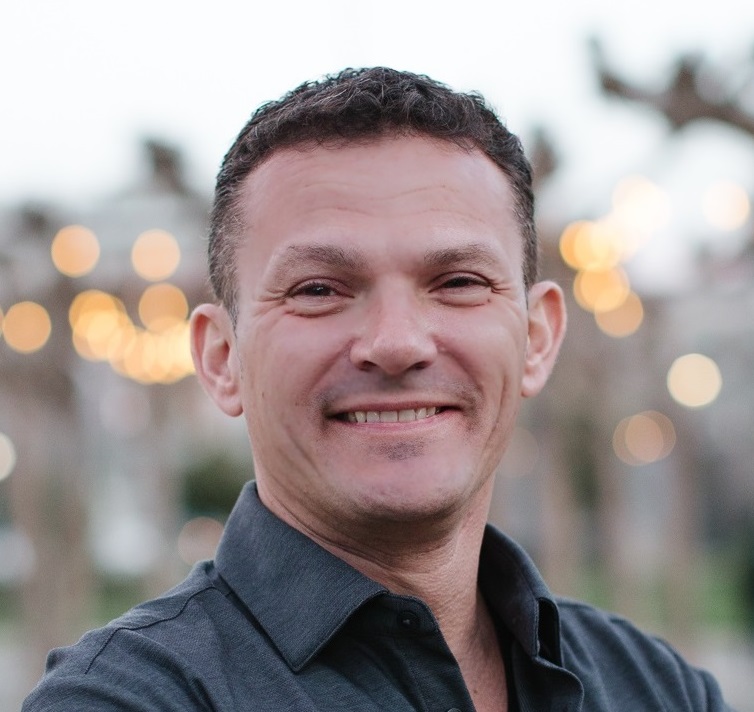
Jose M. Alvarez
Director of Research
NVIDIA

Manmohan Chandraker
Professor, Department Head
UC San Diego / NEC Labs America
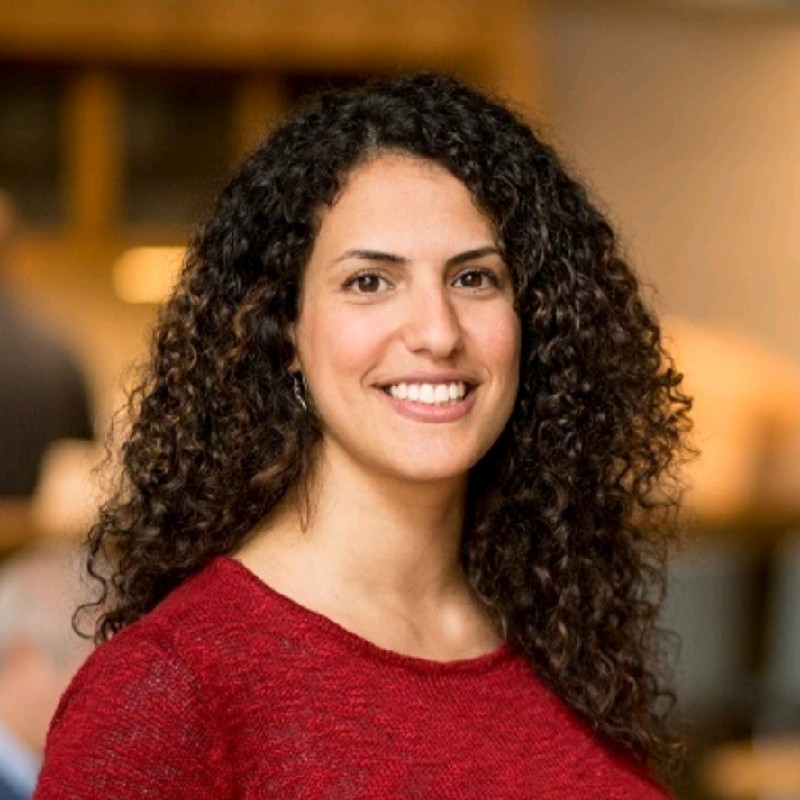
Bat El Shlomo
Senior Director, Perception and Foundational Models
ZOOX

Matthew Alun Brown
Principal Scientist
Wayve
Workshop Schedule
June 3, 2026 · Colorado Convention Center, Hall 3A · Denver (MDT)
Morning Schedule
| Time | Session | Speaker | |
|---|---|---|---|
| 9:00 – 9:15 | Opening Remarks | Ali K. AlShami | |
| 9:15 – 10:00 | Keynote #1 | Jose M. Alvarez | |
| 10:00 – 11:00 | Coffee Break | ||
| 11:00 – 12:00 | Keynote #2 | Manmohan Chandraker | |
| 12:00 – 13:45 | Lunch | ||
Afternoon Schedule
| Time | Session | Speaker | |
|---|---|---|---|
| 13:45 – 14:15 | Oral Presentations I | — | |
| 14:15 – 14:45 | Keynote #3 | Matt Brown | |
| 14:45 – 15:00 | AUTOPILOT Competition & Winner Presentation | Ryan Rabinowitz | |
| 15:00 – 16:00 | Coffee Break | ||
| 16:00 – 16:30 | Keynote #4 | Bat El Shlomo | |
| 16:30 – 17:00 | Oral Presentations II | — | |
| 17:00 – 17:10 | ACCIDENT Competition & Winner Presentation | Lukas Picek | |
| 17:10 – 17:20 | Zero Shot Competition & Winner Presentation | Jianwu Fang | |
| 17:20 – 17:30 | Award Presentation for Competition, Papers, and Poster | — | |
| 17:30 | Closing | — | |
Oral Presentations I
13:45 – 14:15
13:45 – 13:52 · Paper #1
ACCIDENT: A Benchmark Dataset for Zero Shot Accident Detection from Traffic Surveillance Videos
Lukas Picek, Michal Cermak, Marek Hanzl, Vojtech Cermak
13:52 – 14:00 · Paper #2
TopoMaskV3: 3D Mask Head with Dense Offset and Height Predictions for Road Topology Understanding
Muhammet Esat Kalfaoglu, Halil İbrahim Öztürk, Ozsel Kilinc, Alptekin Temizel
14:00 – 14:07 · Paper #3
Spatial-aware Vision Language Model for Autonomous Driving
Weijie Wei, Zhipeng Luo, Feng Ling, Venice Erin Liong
14:07 – 14:15 · Paper #4
Probing the Reliability of Driving VLMs: From Inconsistent Responses to Grounded Temporal Reasoning
Chun-Peng Chang, Chen-Yu Wang, Holger Caesar, Alain Pagani
Oral Presentations II
16:30 – 17:00
16:30 – 16:37 · Paper #5
Automingo: Seeing the Unseen — Vision-Language Edge Case Dataset for Detection and Analysis of Autonomous Driving
Vaclav Divis, Íñigo Barceló Álvarez, Alejandro Fariñas Nubla, Enrique Sanchez, Ondřej Valach, Ivan Gruber, Antonio Hernandez-Ros Briales, Marek Hrúz
16:37 – 16:45 · Paper #6
Drive Like Humans, Plan Like Machines: An Explicit Sense and Safety Aware Autonomous Driving Framework
Xia Wang, Ziyan An, Yuhang Zhang, Meiyi Ma, Daniel Work, Jonathan Sprinkle
16:45 – 16:52 · Paper #7
OmniSieve: Query-Guided Adaptive Token Allocation for Efficient Multi-View Vision-Language Reasoning
Preetam Chhimpa, Indrajit Ghosh
16:52 – 17:00 · Paper #8
Beyond the Beep: Scalable Collision Anticipation and Real-Time Explainability with BADAS-2.0
Roni Goldshmidt, Hamish Scott, Lorenzo Niccolini
Call for Papers
We invite high-quality, original research submissions to the AUTOPILOT workshop at CVPR 2026
Archival Track
CVPR Proceedings
Full papers with novel contributions will be published in the official CVPR 2026 workshop proceedings. We expect high-quality submissions with significant technical contributions, rigorous evaluation, and clear presentation of results, with a strong focus on real-world autonomous driving and open-world deployment using VLLMs models.
Accepted Papers
- ACCIDENT: A Benchmark Dataset for Zero Shot Accident Detection from Traffic Surveillance Videos
- TopoMaskV3: 3D Mask Head with Dense Offset and Height Predictions for Road Topology Understanding
- Spatial-aware Vision Language Model for Autonomous Driving
- Probing the Reliability of Driving VLMs: From Inconsistent Responses to Grounded Temporal Reasoning
- Automingo: Seeing the Unseen - Vision-Language Edge Case Dataset for Detection and Analysis of Autonomous Driving
- Drive Like Humans, Plan Like Machines: An Explicit Sense and Safety Aware Autonomous Driving Framework
- OmniSieve: Query-Guided Adaptive Token Allocation for Efficient Multi-View Vision-Language Reasoning
Non-Archival Track
Extended Abstracts
Extended abstracts and position papers for work-in-progress or preliminary findings. We also welcome papers rejected from the Archival Track can resubmit and papers related to the workshop that are already published in top peer-reviewed conferences and journals can submit for a poster spot to the Non-Archival Track.
Accepted Papers
- Beyond the Beep: Scalable Collision Anticipation and Real-Time Explainability with BADAS-2.0
- DashLens: Structured and Consistent Reasoning for Incident-Centric Dashcam Video Analysis
- Zero-shot 3D General Obstacle Detection via Multimodal Foundation Models and Geometry
- On the Feasibility and Opportunity of Autoregressive 3D Object Detection
- DriveSafer: End-to-End Autonomous Driving with Safety Guidance
- Making the Discrete Continuous: Synthetic RAW Augmentations for Fine-Grained Evaluation of Person Detection Performance in Low Light
- Beyond Prompting: Structured Causal Chain Reasoning for VRU Accident Understanding in Vision Language Models
- Real-World On-Vehicle Evaluation of Embedding-Based Anomaly Detection
- Two-Pass Zero-Shot Temporal-Spatial Grounding of Rare Traffic Events in Surveillance Video
- Multi-Stage VLM Pipeline for Zero-Shot Traffic Accident Understanding
- CASCADE-VLM: A Zero-Shot Cascade Pipeline for CCTV Accident Understanding
- Safe2Drive: Evaluating Safe Driving Behaviors of E2E Autonomous Driving Models
- STAR: Stage-wise Traffic Accident Detection via Optical-Flow-Guided Reasoning
- Selective Optical-Flow Correction for Zero-Shot CCTV Accident Analysis with Vision-Language Models
- Zero-Shot Traffic Accident Understanding via Two-Branch Min-Time Fusion with Multi-Scale Context Preservation
- Geometry-Aware Road Damage Segmentation with Training-Time Depth Supervision
- AUTOPILOT VQA: Benchmarking Vision-Language Models for Incident-Centric Dashcam Understanding
- Metadata-Aware Multi-Prompt Reasoning for Zero-Shot Accident Understanding
- SynCrash: A Multi-Stage Pipeline for Zero-Shot Accident Detection and Localization in Traffic Surveillance Video
- Zero-Shot Traffic Accident Detection via a Coarse-to-Fine VLM-Tracking Pipeline
- Motion Recency Maps for Zero-Shot Traffic Accident Localisation in Fixed Surveillance Cameras
Topics of Interest
We invite submissions on a broad range of topics related to foundation models, multimodal perception, reasoning, and decision-making for autonomous systems, including but not limited to:
Foundation Models & Multimodal Reasoning
- •Foundation models for autonomous driving (VLMs, LLMs, generative and agentic models)
- •Vision-language models for perception, reasoning, grounding, and scene understanding
- •Embodied AI and multimodal reasoning for decision-making in autonomous vehicles
Open-World & Robust Autonomy
- •Open-world learning: open-set recognition, open-vocabulary learning, and OOD detection
- •Detection, prediction, and avoidance of out-of-label or novel hazards
- •Domain adaptation, transfer learning, and continual learning for robust autonomy
Prediction, Planning & Interaction
- •Multimodal motion forecasting, trajectory prediction, and behavior modeling
- •Activity recognition, pedestrian intention prediction, and human-agent interaction
- •Planning and decision-making under uncertainty
Multimodal Perception & Sensor Fusion
- •Multimodal sensor fusion (camera, LiDAR, radar, maps, depth) for scene understanding
- •Spatio-temporal representation learning for dynamic environments
Generative Models & Simulation
- •Generative models for simulation, data augmentation, forecasting, and scenario synthesis
- •Synthetic data generation and sim-to-real transfer
Systems, Deployment & Evaluation
- •Resource-efficient training, model compression, and edge deployment
- •Real-time inference and scalable autonomous systems
- •Novel datasets, benchmarks, evaluation protocols, and safety-centric metrics
Workshop Challenges
Join our Kaggle competitions focusing on safety-critical autonomous driving tasks
AUTOPILOT
Visual Question Answering
Advance accident understanding through detailed video-based visual question answering. Analyze vehicle trajectories, hazards, visibility, impact zones, and outcomes.
Winners
Team 1: Trilochan Team (Top-1)
Indian Institute of Information Technology Nagpur (IIITN)
Team 2: yuxiazff
- 1 Zhejiang Supcon Info Company Ltd
- 2 China Jiliang University
- 3 Zhejiang University of Technology
- 4 Anhui University
ACCIDENT
Zero-shot Detection
Benchmark accident understanding in real CCTV footage. Tackle temporal localization, spatial localization, and collision type classification.
Winners
Team 1: GOOD DRIVE Team (Top-1)
GO Drive Inc
Team 2: GAILforce Team
Generative AI Lab
Zero-shot
Zero-shot Anticipation
Multi-modal accident risk anticipation using RGB frames, driver gaze, and text annotations across diverse road environments.
Winners
Team 1: CVLAB (Top-1)
Seoul National University, Seoul, Korea
SNU CVLab
Team 2: BUPT MIC Lab
Beijing University of Posts and Telecommunications
BUPT MIC Lab
All challenges emphasize perception, reasoning, and robustness in open-world scenarios. Winners will present their system analyses during the CVPR 2026 AUTOPILOT workshop. For a related workshop on out-of-label hazards, see 2COOOL @ ICCV 2025.
Organizing Committee
Meet the team behind AUTOPILOT 2026

Ali K. AlShami
NEC Labs America
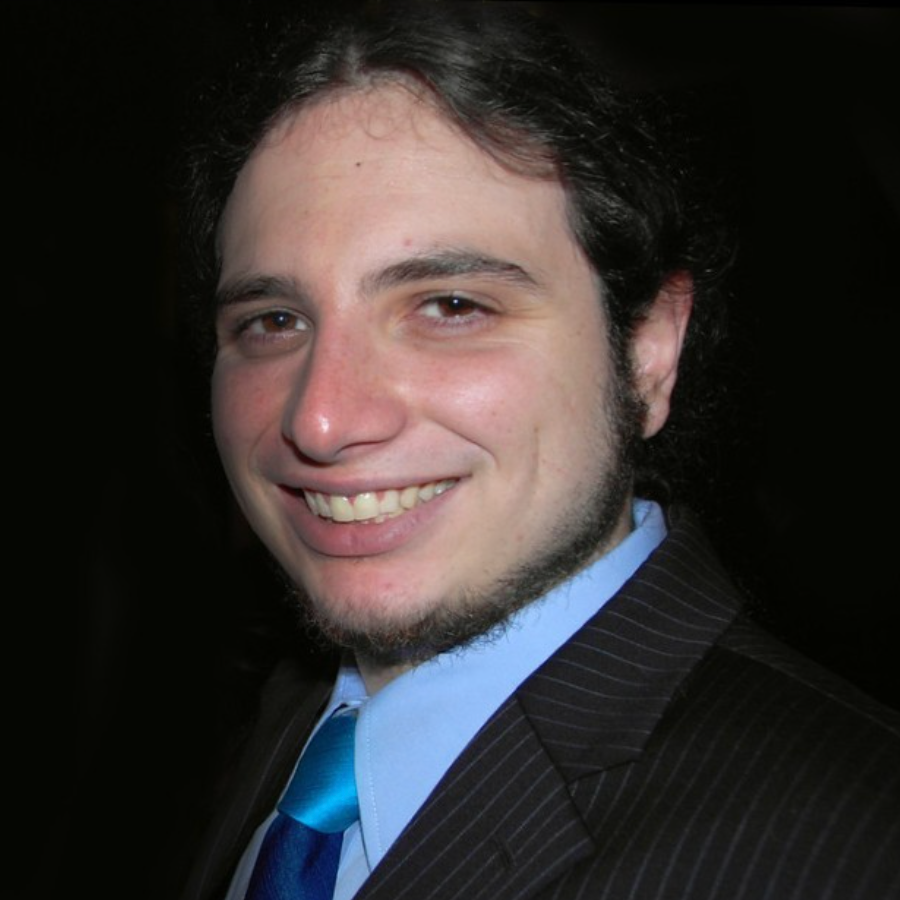
Ryan Rabinowitz
Notre Dame
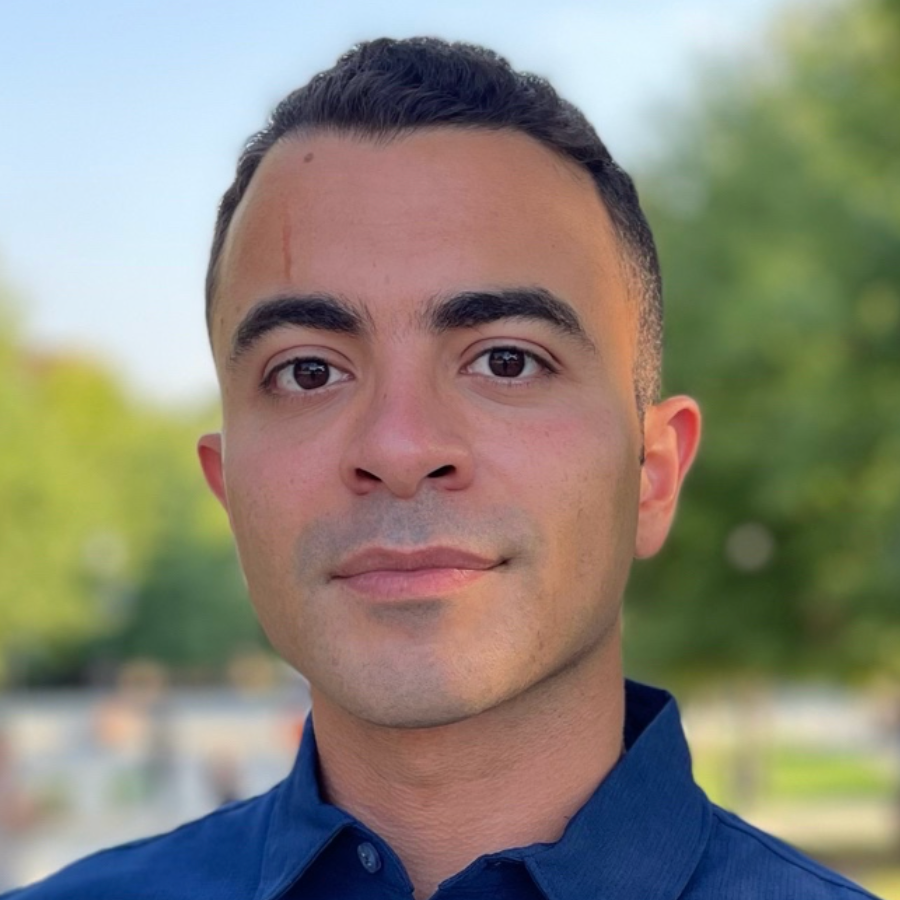
Maged Shoman
UT-ORII
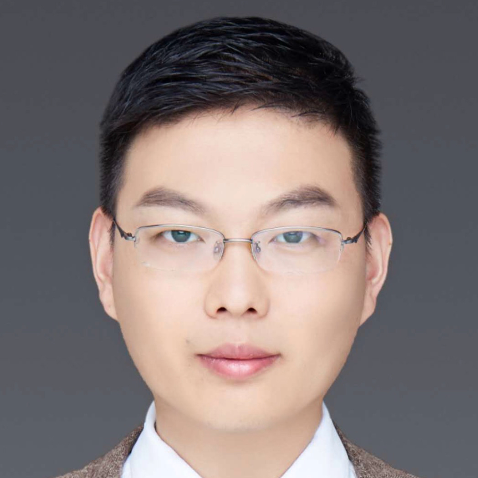
Jianwu Fang
Xi'an Jiaotong Univ.
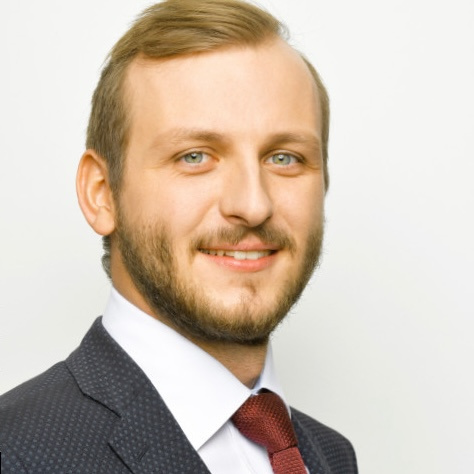
Lukáš Picek
INRIA / PiVa AI
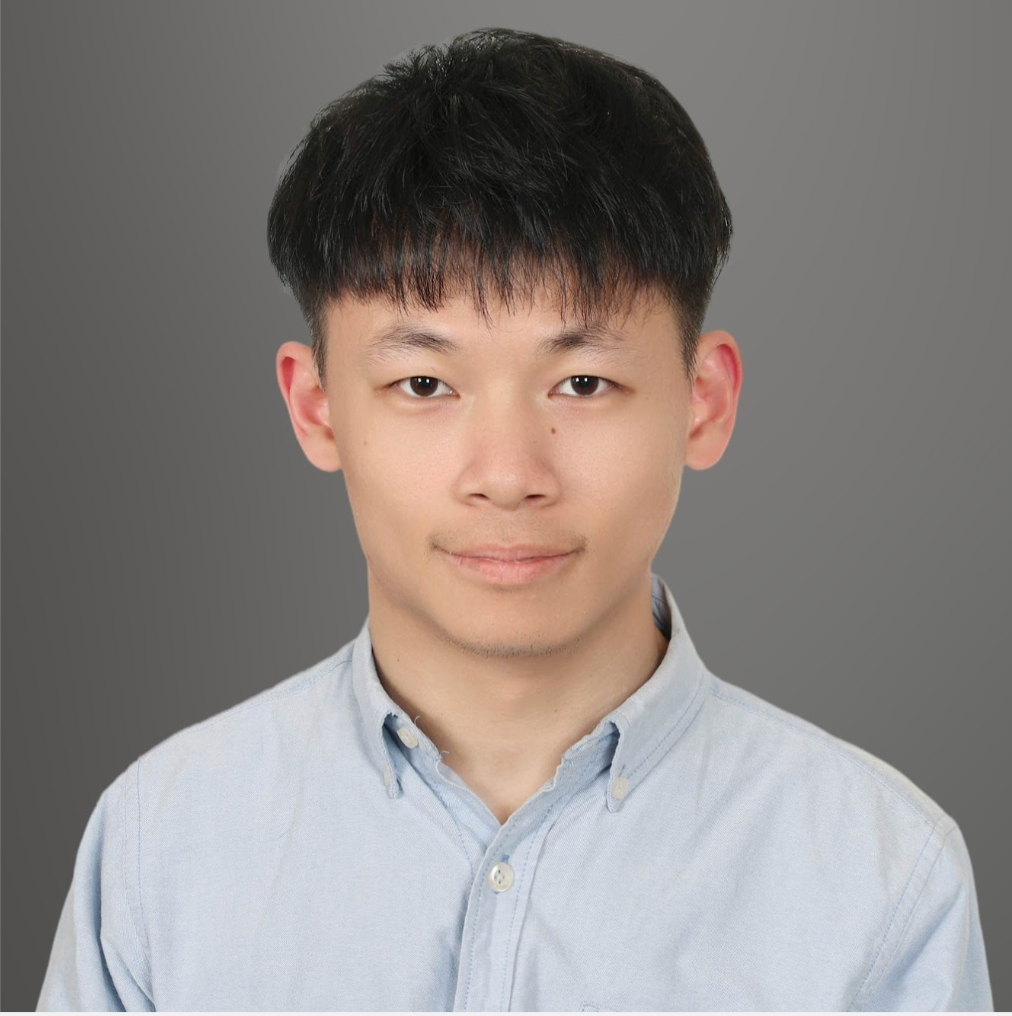
Shao-yuan Lo
National Taiwan Univ.
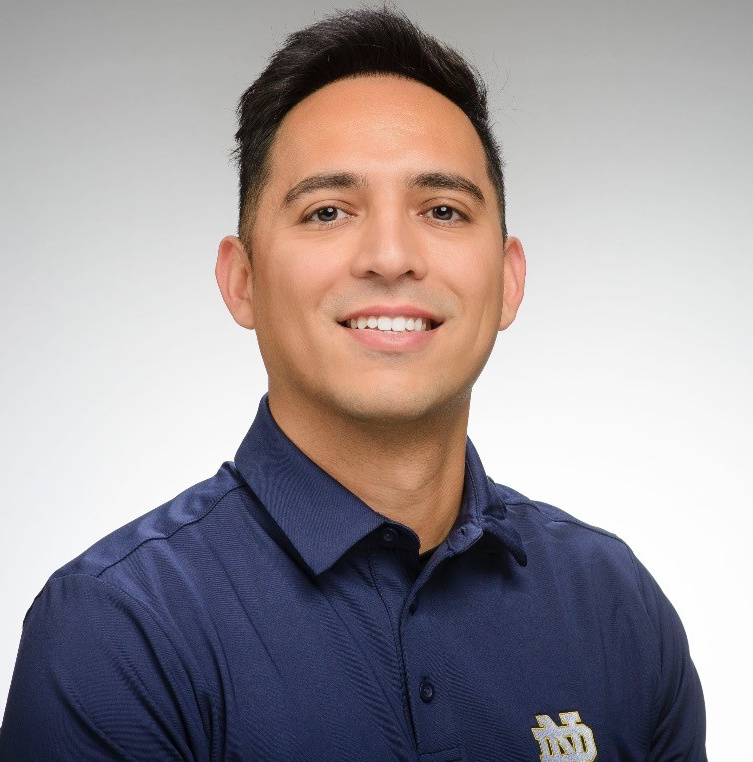
Steve Cruz
Notre Dame
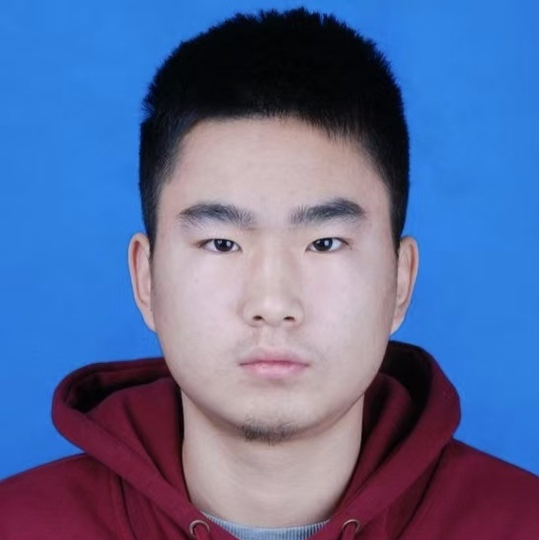
Lei-lei Li
Xi'an Jiaotong Univ.
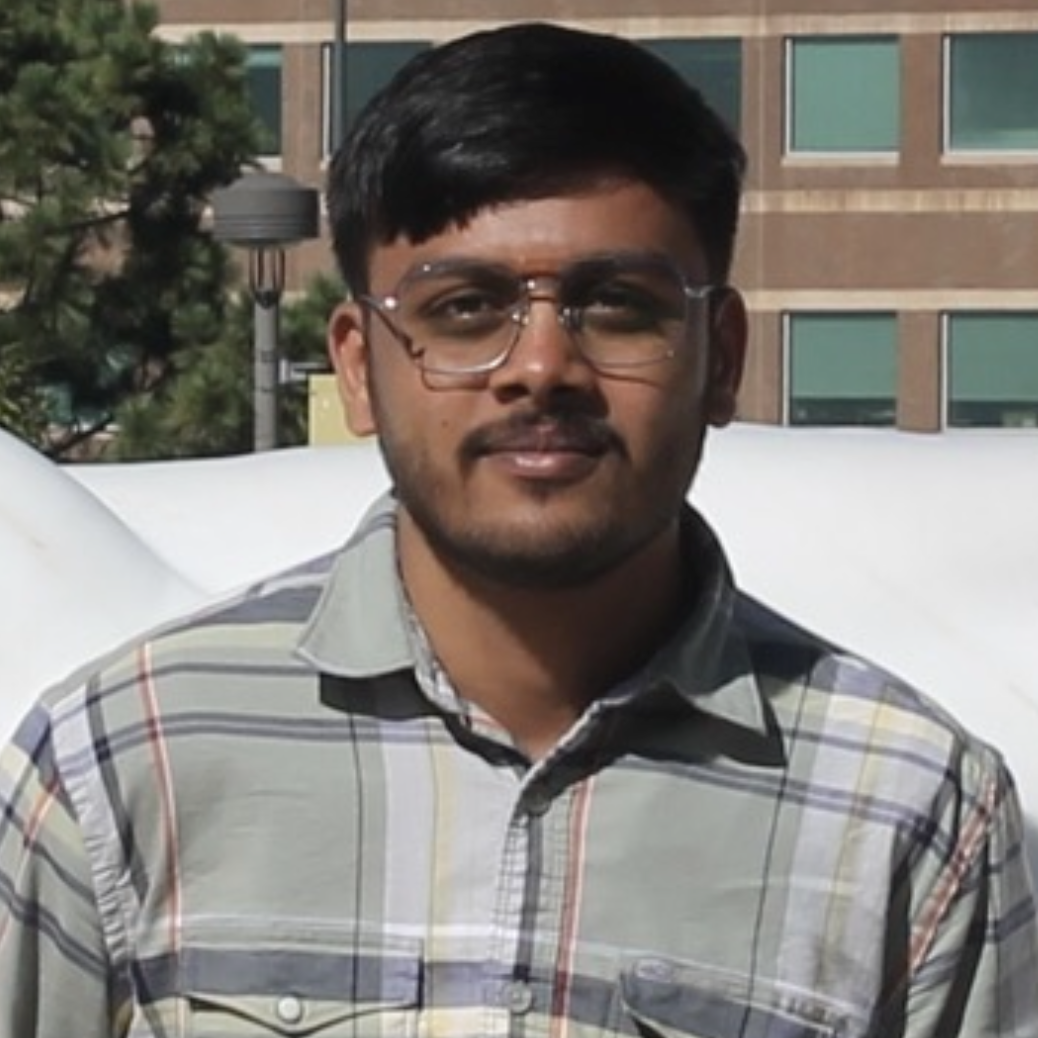
Nachiket Kamod
BNSF | Tech
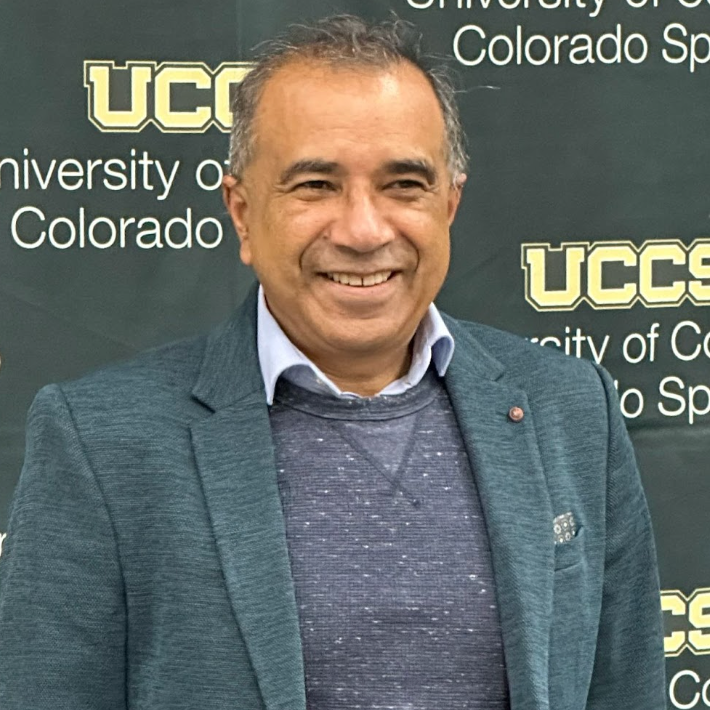
Jugal Kalita
UCCS

Terrance E. Boult
UCCS